

Your paycheck is good, but it only pays while you are flying. Stop, and it stops with you. This is how pilots build a second income that keeps paying whether they are in the air, on the ground, or finally off the schedule for good, from a founder who flies too.
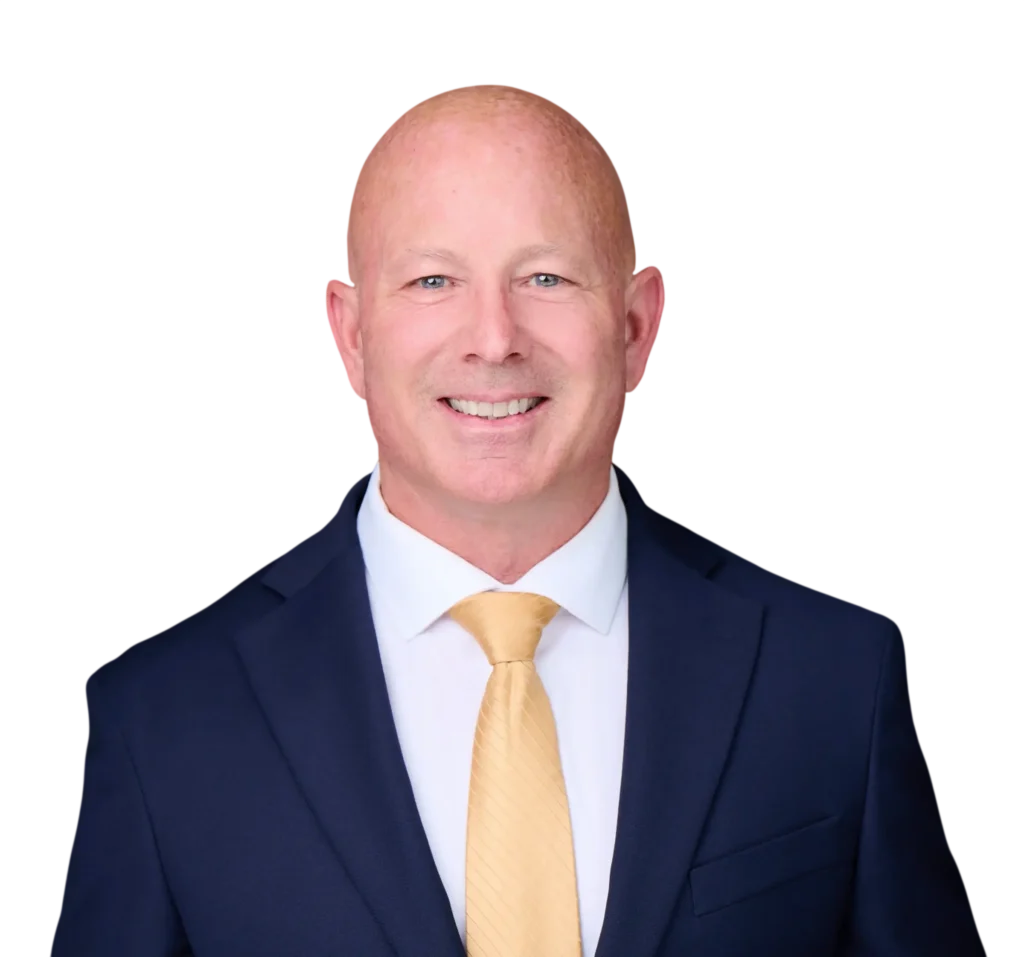
Brett Layser still flies. He flew for the Marine Corps and flies today, so when he talks about a paycheck that stops the moment you stop working, he is not reading it off a script.
He has lived it.That is the difference between Jetstream and a large firm where you are just an account number: here, the person managing your money understands your world from the inside.
And here is the part most people never say out loud: pilots are the smartest people in the room. Show a pilot a spreadsheet they have never seen, and their mind tears through it, checking every number, spotting what does not add up. Brett counts on that.
He wants you to actually read the deal, because when a pilot looks at his numbers and sees that they work, that is a decision built on understanding, not on trust alone.
The traits that make you good at your job are the exact traits that make for a good investor in this space. That is not a coincidence, it is the whole reason this fits.
You do not take off without checking what could go wrong. Neither do we. Every deal gets stress-tested against lower occupancy, higher expenses, and higher rates before we commit a dollar. If it cannot survive the bad scenarios, we do not go. That is a language you already speak.
A zero-fault mindset is not paranoia, it is professionalism. We run deals the same way: rules written down, followed every time, no shortcuts when the numbers get tempting. We hold to a minimum return threshold and walk away from anything that cannot clear it.
We do not ask you to take our word for anything. We show you the numbers and expect you to work through them, because you will anyway. A deal that holds up to a pilot’s scrutiny is a deal worth being in.
Flying pays well, but it is still trading hours for dollars. The day you stop, whether that is retirement, medical, a furlough, or just wanting your weekends back, the income stops with you. Everything you have built depends on you continuing to show up.
Multifamily flips that. Your money goes to work in real, income-producing property, and it keeps working while you fly, while you sleep, while you are on a beach with your family.
You receive distributions every quarter, and much of that income is protected from the IRS in a way your W-2 paycheck never is.
You are building wealth around the clock instead of only when you are on the clock. And it is built to last beyond you.
This is the kind of income you can eventually retire on and hand down to your kids, your nieces and nephews, the next generation coming up.
That is exactly why Brett built it, and it is what he wants for the pilots who fly with him.

This is built for pilots who are a few years in and financially established, at major or regional carriers alike, since regional pay has climbed.
If you are brand new and still paying down training, this probably is not your moment yet, and Brett will tell you that straight rather than take your last dollar. But he is happy to talk either way, and to help you understand the path so you are ready when the timing is right.
discover
At a big firm, you would be handed to an investor-relations desk. Here, you talk to Brett. He is ready to answer questions anytime, from anyone, because that direct line is the whole point of investing with someone your size instead of a giant. He is not selling you anything. It is an opportunity he is showing you, and the only reason not to take a good one is if you do not trust the person offering it. So talk to him, and decide for yourself.
Large syndication firms are not bad. They are just built differently, and for a pilot who values a direct relationship, that difference matters. Here is the honest comparison.
Better terms. More room.
You are one investor among thousands. You deal with an investor-relations team, not the person underwriting your deal. Communication is polished but impersonal, and if you have a real question, it goes into a queue. The scale is impressive, but you are anonymous inside it.
Better terms. More room.
You deal directly with Brett, the person who finds, underwrites, and operates the deal, and who puts his own money in beside yours.
You get the same institutional-grade advantages, agency financing and professional management, because of the partner relationships behind the business, but without becoming a number.
Small, in this case, is the feature, not the limitation. There is one more thing a firm his size can do that a giant cannot: care about your specific situation.
Brett will talk through your timeline, your retirement plans, and your goals, because at this scale he actually can. That is not something that survives at ten thousand investors.
The questions investors ask before anything else. Not seeing yours? Send it over no call required.
Many pilots choose passive multifamily real estate because it generates income without requiring time or management. You invest as a limited partner, receive quarterly distributions, and much of the income is tax-advantaged, all while you keep flying.
Because the person managing your money understands your world firsthand and you deal with him directly, not a call center. Brett still flies, so he knows exactly why income that outlasts a flying career matters.
Not necessarily. This suits pilots who are a few years in and financially established, at major or regional carriers. If you are brand new and still paying down training costs, it may not be the right time yet, and Brett will tell you so honestly.
No. Most pilots who invest have never owned an apartment community. You come in as a passive partner and the entire operation is handled for you. Your job is to read the numbers, which pilots do well.
The typical minimum is $50,000 per deal, and offerings are open to accredited investors. Investment sizes are usually capped per investor to stay within securities limits.
You spent your career being precise, disciplined, and ready for anything. Put that same mindset to work on your future. See if a deal is open, or just send Brett a question, pilot to pilot.